
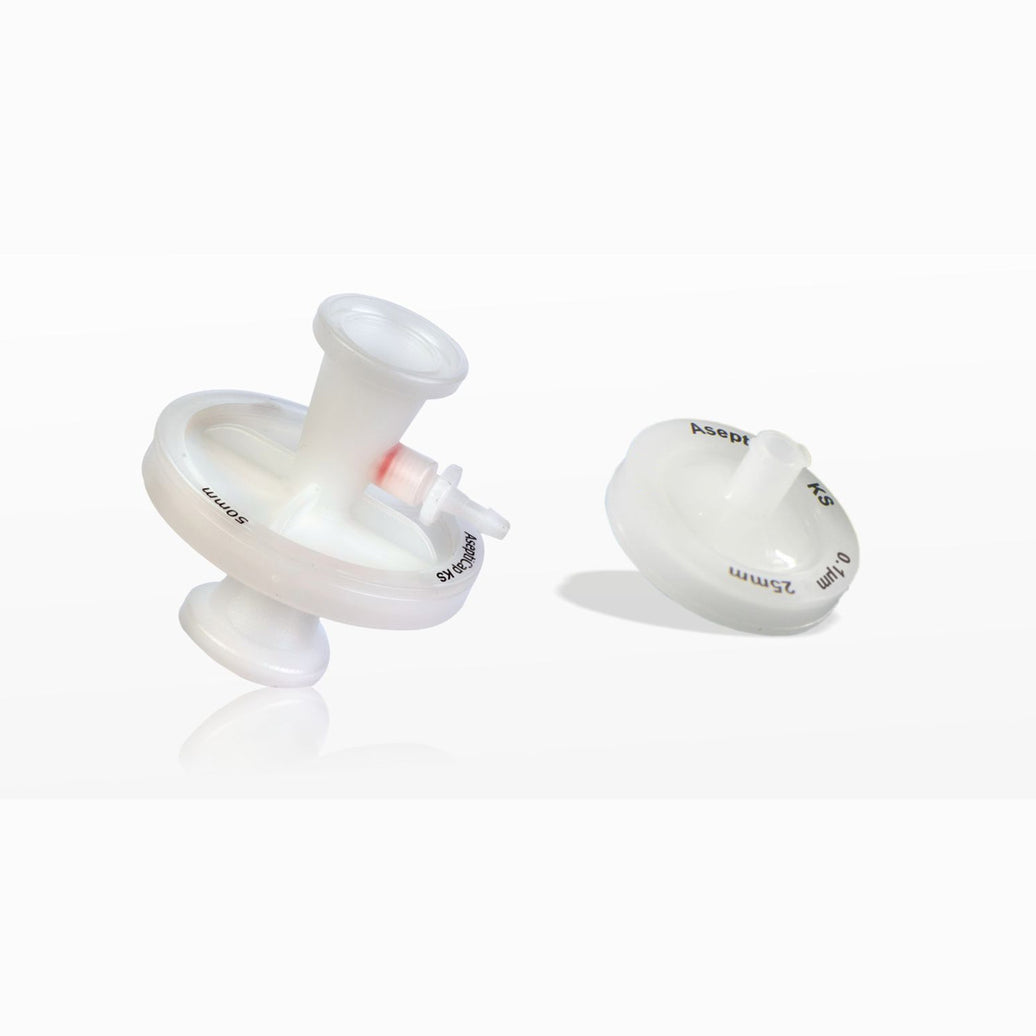
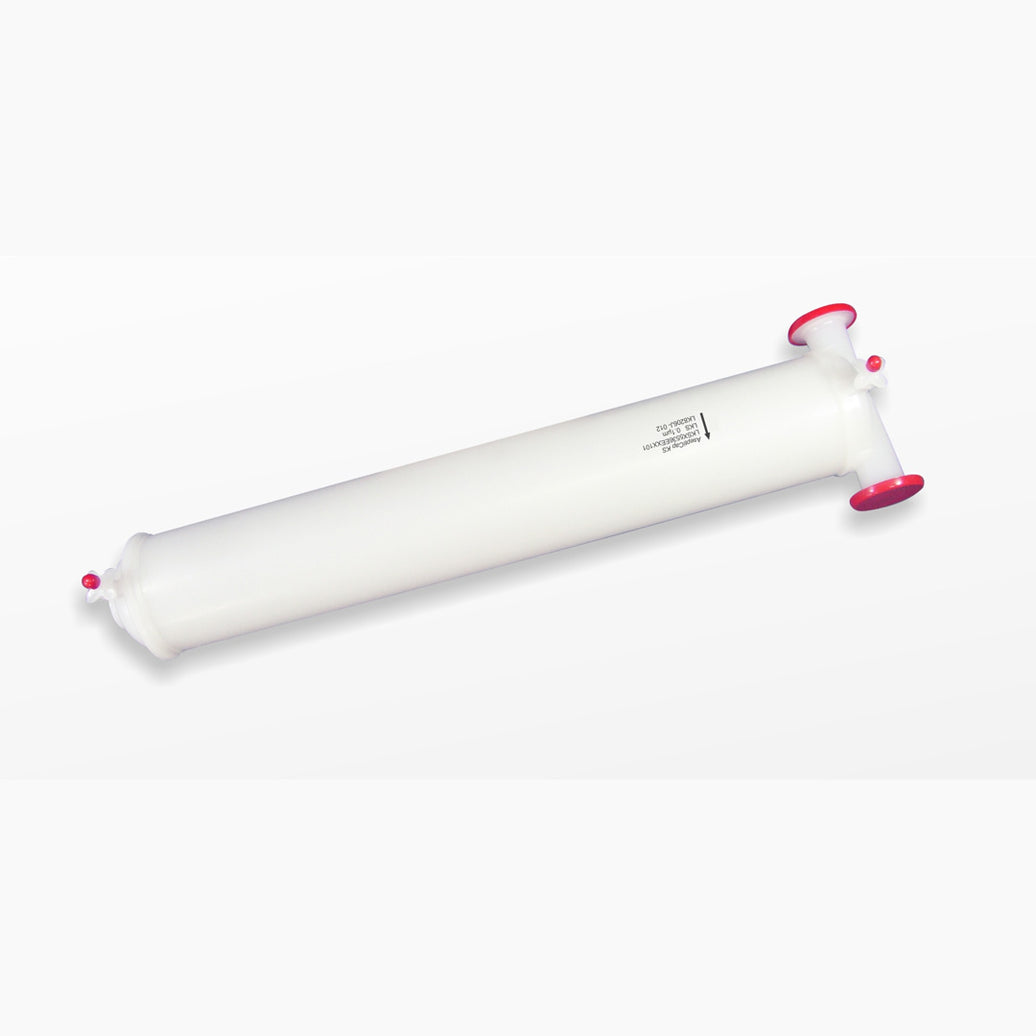
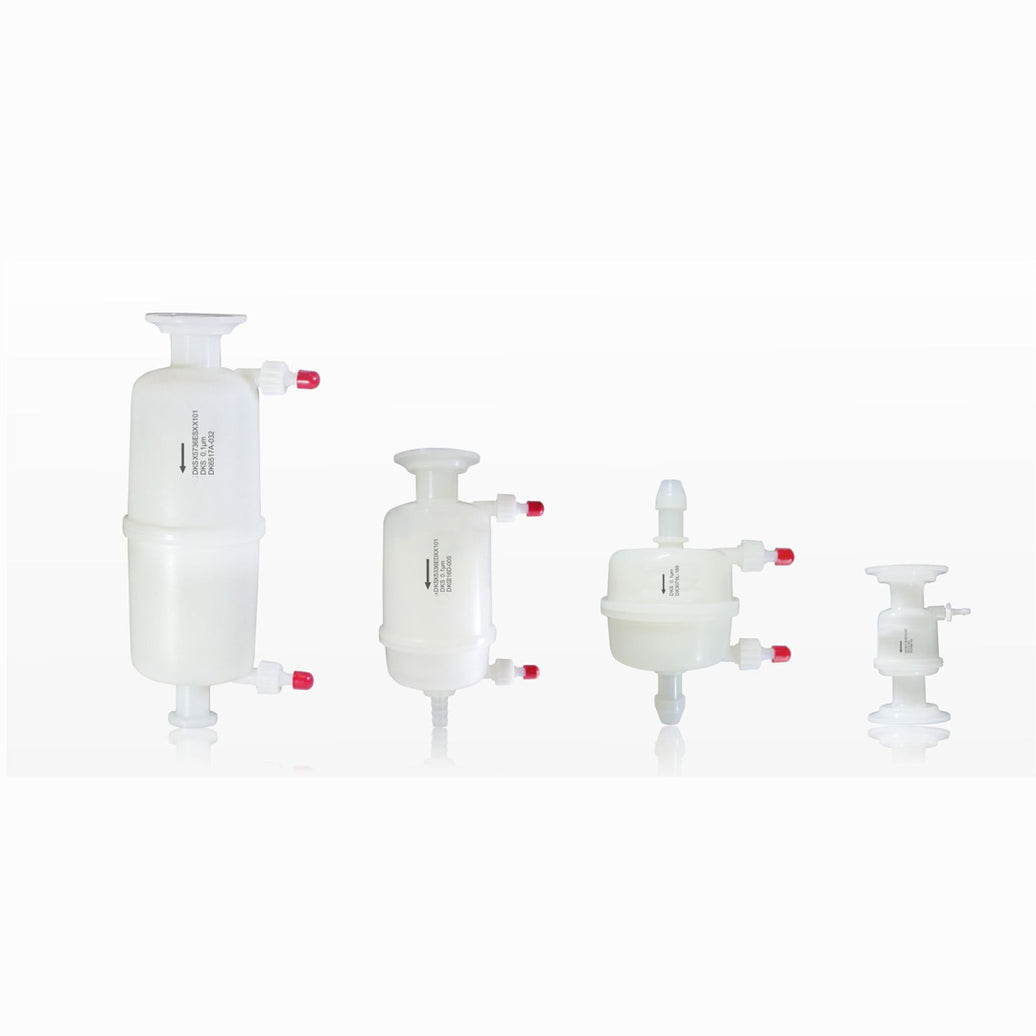
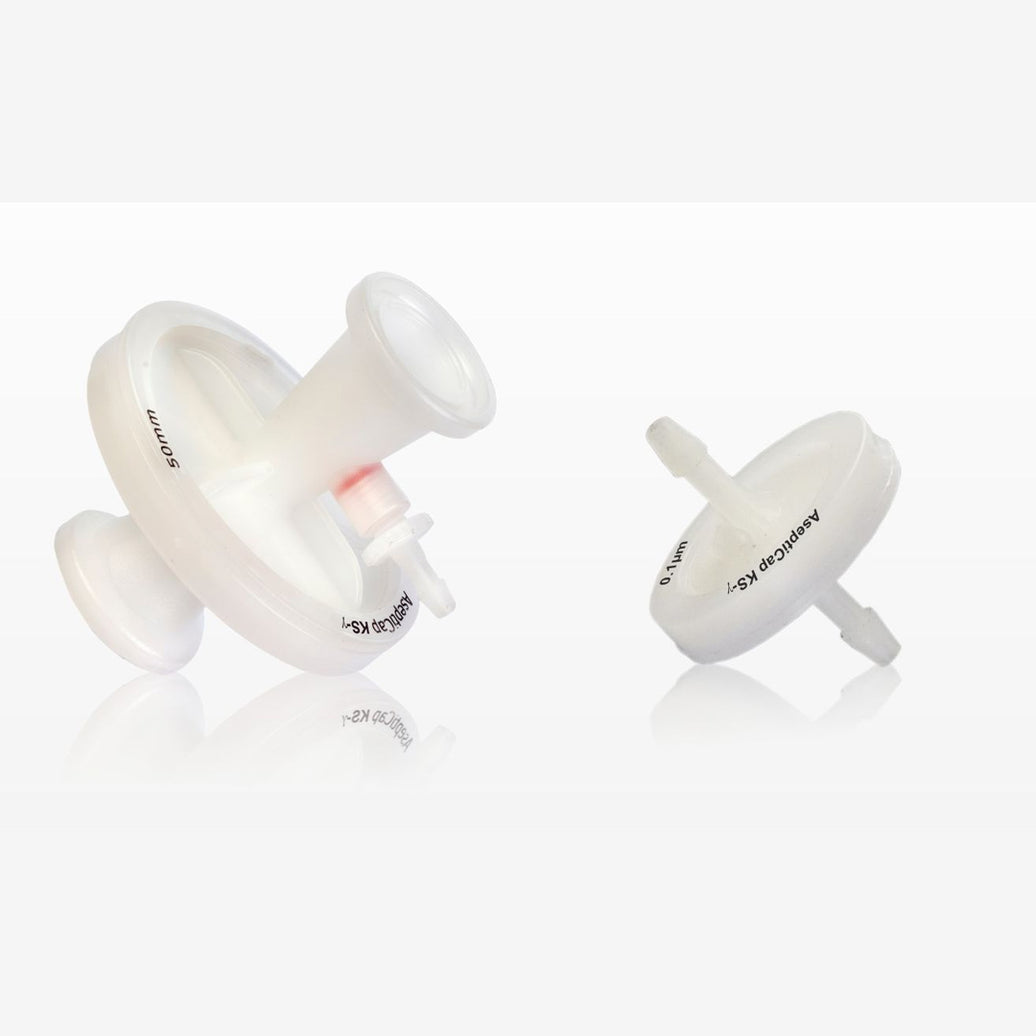
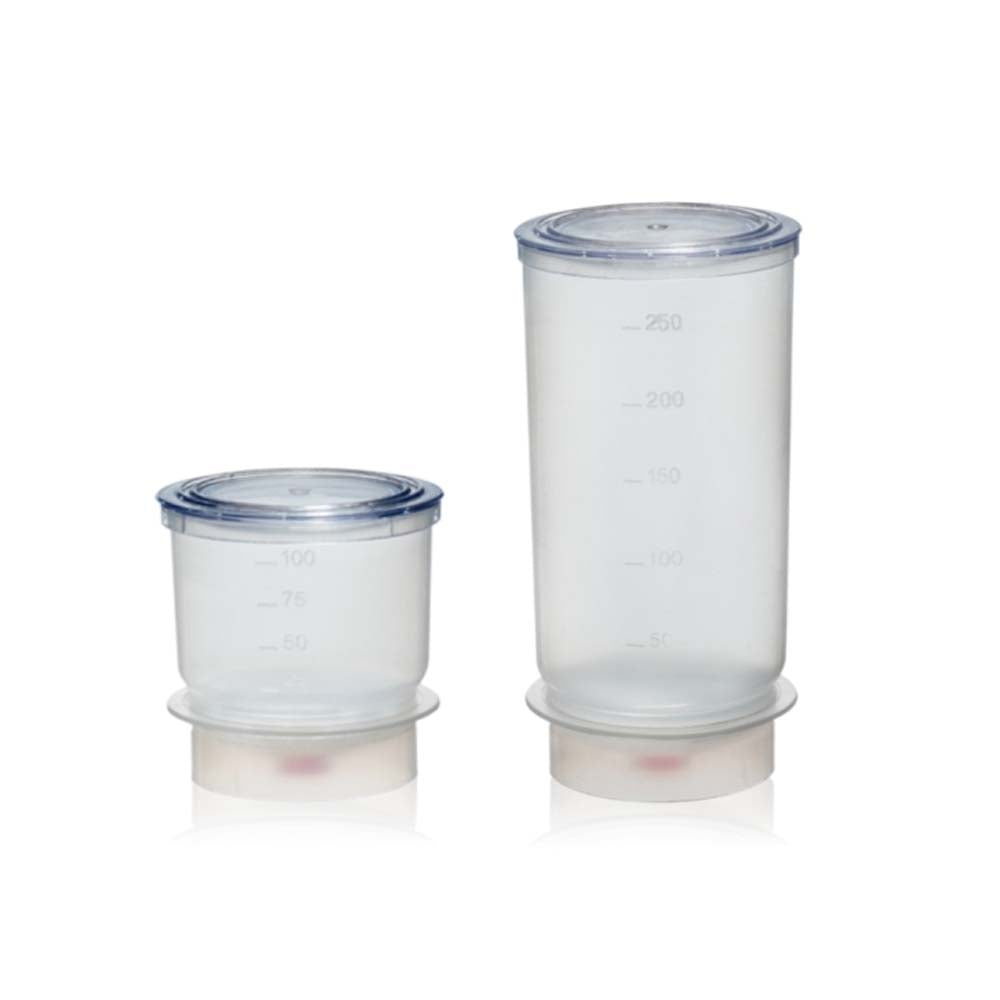
Funnels are basic yet highly important laboratory tools used for transferring liquids or powders into containers with narrow openings and for performing filtration processes. They are widely used in laboratories, research centers, pharmaceutical industries, and industrial applications worldwide.
Due to their simple design and high efficiency, funnels are considered an essential part of every laboratory setup.
What are Funnels?
A funnel is a cone-shaped device with a wide mouth and narrow stem, designed to guide liquids or powders into containers without spillage.
In laboratory applications, funnels are often used along with filter paper or membranes to separate solids from liquids through filtration.
Where Are Funnels Used?
Funnels are used in a wide range of applications:
Laboratory Filtration: Separation of solids from liquids
Chemical Handling: Safe transfer of chemicals
Pharmaceutical Industry: Sample preparation and testing
Water Testing Labs: Filtration and analysis
Industrial Applications: Bulk liquid transfer and processing
They are essential wherever controlled pouring and filtration are required.
Why Are Funnels Used?
Funnels are used to improve accuracy, safety, and efficiency in laboratory work.
Key reasons include:
Prevents spillage and material loss
Enables precise liquid transfer
Supports filtration processes
Easy to use and handle
Compatible with filter papers and membranes
They are a simple solution for clean and controlled handling of samples.
Types of Laboratory Funnels
There are different types of funnels designed for specific applications:
Filter Funnels: Used with filter paper for liquid-solid separation
Büchner Funnels: Used for vacuum filtration
Hirsch Funnels: Ideal for small-volume filtration
Powder Funnels: Wide stem for transferring powders
Separatory Funnels: Used for liquid-liquid separation
Dropping Funnels: Controlled addition of liquids
Each type is designed to meet specific laboratory needs.
Material and Construction
Funnels are manufactured using different materials depending on the application:
Borosilicate Glass: Chemically inert and heat resistant
Plastic (PP/HDPE): Lightweight and cost-effective
Stainless Steel: Durable for industrial use
Glass funnels are preferred in labs due to their chemical resistance and reusability, while plastic funnels are commonly used for routine tasks.
Working Principle
Funnels work on a simple gravity or vacuum-based principle:
Liquid or powder is poured into the wide mouth
Material flows through the narrow stem
In filtration, filter paper retains solids
Clean liquid passes through into the container
This ensures smooth and controlled transfer or filtration.
Key Features
Simple and efficient design
Available in multiple sizes and types
Compatible with filtration systems
Chemical-resistant materials
Easy handling and cleaning
Suitable for laboratory and industrial use
Benefits of Using Funnels
Reduces spillage and wastage
Improves accuracy in experiments
Supports filtration processes
Saves time and effort
Suitable for various applications
Reliable and reusable (for glass types)
Technical Overview
Category
Parameter
Details
Type
Design
Cone-shaped with narrow stem
Material
Options
Glass / Plastic / Stainless Steel
Function
Use
Transfer & Filtration
Application
Industry
Lab, Pharma, Chemical, Industrial
Ordering Information
Category
Option
Details
Product Type
Funnels
Multiple Types Available
Material
Glass / Plastic / Metal
—
Size
Various Diameters
—
Pack Size
Pack of 1 / 10 / 50
Available