
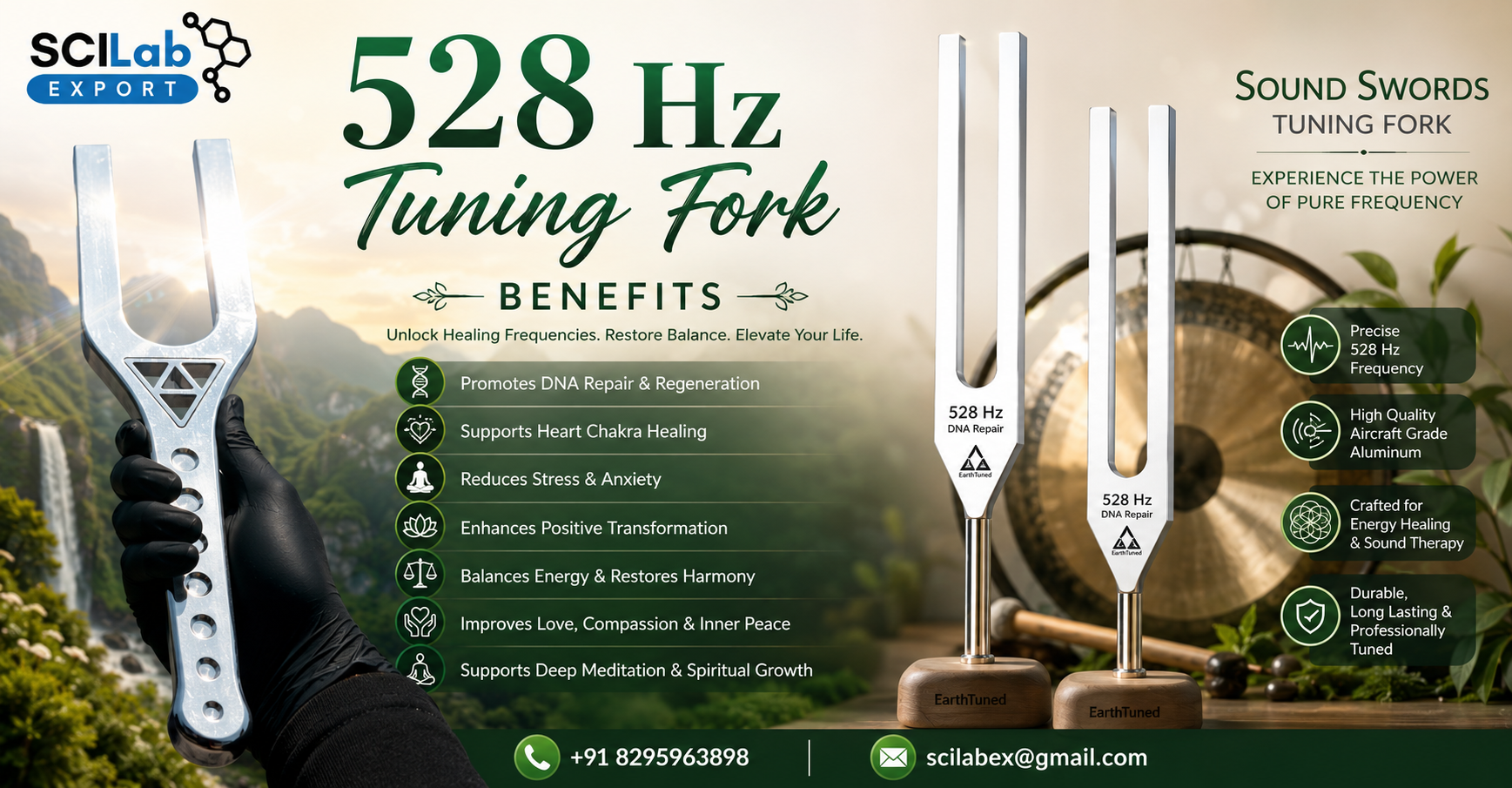
Among the many frequencies used in sound therapy today, one number keeps coming up again and again in wellness circles, yoga studios, and meditation retreats: 528 Hz. Often nicknamed the "love frequency" or the "miracle tone" by sound healers, this particular pitch has developed a devoted following among people looking for natural, non-invasive ways to relax, focus, and reset. But what exactly is this frequency, why has it become so popular, and what can a tuning fork tuned to this exact pitch actually do for you? This guide walks through everything — the science of how tuning forks work, the background of the 528 Hz tone, its reported benefits, how it's used in practice, and how to choose a well-made fork so you get a genuine, accurately tuned instrument rather than a mass-produced imitation.
What Is a Tuning Fork, and Why Does Frequency Matter So Much?
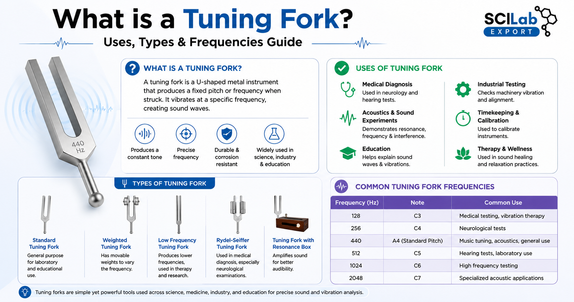
A tuning fork is a simple two-pronged metal instrument. When one of its tines is struck against a soft surface, the metal flexes and springs back in a repeating cycle, producing a clean, steady tone with very few competing overtones. Unlike a bell or a drum, which produce a rich mixture of frequencies at once, a tuning fork is engineered to vibrate almost entirely at a single, fixed pitch. This purity is exactly why tuning forks became a trusted reference tool centuries ago among musicians and why they are now equally trusted among sound therapists who need a dependable, repeatable tone every single time the fork is struck.
The pitch a fork produces is baked into its physical design — the length, thickness, and material of the metal tines determine the frequency, measured in Hertz (Hz), or cycles per second. A fork built to vibrate at 528 Hz will keep producing that same tone reliably for years, provided it is manufactured with precision and cared for properly. This consistency is the whole foundation of sound-based wellness work: if the frequency drifts even slightly, the intended experience changes along with it.
Where Does the 528 Hz Frequency Come From?
The 528 Hz tone is part of a set of frequencies often referred to as the Solfeggio scale — a historical sequence of tones that some researchers and sound-healing teachers trace back to ancient sacred music and early chant traditions. Within this framework, each tone in the sequence is associated with a particular theme. The 528 Hz tone, in particular, has become closely linked in modern sound-healing circles with ideas of transformation, renewal, and emotional balance, which is part of why it has earned the popular nickname of the "love" or "miracle" frequency among practitioners.
It's worth being clear-eyed about this: the emotional and spiritual associations tied to 528 Hz come primarily from the sound-healing and wellness community rather than from mainstream clinical science. That doesn't make the practice any less meaningful to the people who use it — many long-standing wellness traditions rely on symbolic and experiential frameworks rather than laboratory data — but it's an important distinction for anyone approaching the topic for the first time.
Why Has 528 Hz Become So Popular in Sound Therapy?
Several factors explain why this particular tone has become a favourite among sound practitioners and casual users alike:
A pleasant, mid-range tone – 528 Hz – sits in a comfortable part of the audible spectrum, neither too low nor too piercing, making it easy to listen to for extended periods during a meditation or therapy session.
Strong association with relaxation rituals – Because so many teachers and practitioners have built entire meditation tracks, sound baths, and guided sessions around this tone, it has become something of a cultural touchstone within the wellness space.
Versatility – The tone works equally well as a standalone practice, layered into a yoga class, combined with breathwork, or used alongside other frequencies in a broader chakra-balancing sequence, most often positioned alongside the heart-centre practices in a full-body sound routine.
Ease of use – Like all tuning forks, a 528 Hz fork requires no electricity, no app, and no technical setup. A single strike against an activator pad and the tone is ready.
Reported Benefits of Using a 528 Hz Tuning Fork
People who regularly incorporate a 528 Hz tuning fork into their self-care routine commonly describe a range of subjective benefits. As with all forms of sound therapy, these are experiential and anecdotal rather than clinically proven outcomes, and the practice is best viewed as a complementary addition to — not a replacement for — a person's regular health and wellness routine.
- A calming effect during moments of stress – Many users describe the steady tone as an easy way to interrupt a racing mind and settle into a slower, calmer state.
- Support for meditation and mindfulness practice – The tone is often used as an anchor point, giving the mind something simple and steady to focus on while settling into stillness.
- A soothing addition to an evening wind-down routine – Some people use the fork in the hour before bed as part of a broader relaxation ritual.
- A sense of emotional release or openness – Because of its long-standing association with the heart centre in sound-healing frameworks, many practitioners use it during sessions focused on emotional balance.
- An easy way to build a consistent self-care habit – Because the practice takes only a few minutes, it's simple to fit into a busy schedule, which helps people stick with it over time.
- A pleasant complement to other wellness practices – The tone blends smoothly into yoga, Reiki, massage, and breathwork sessions without requiring a separate block of time.
How a 528 Hz Tuning Fork Is Typically Used
There isn't one single "correct" way to use a 528 Hz fork — different practitioners and traditions favour slightly different approaches — but a few common methods stand out:
Ear-side listening – The fork is struck and held a short distance from each ear in turn, allowing the listener to simply take in the tone without any physical contact.
Body placement – Some practitioners use a weighted version of the fork, placing the base gently against the chest, shoulders, or upper back, allowing the vibration to be felt directly through the body rather than only heard.
Guided sequences – In a full sound-therapy session, the 528 Hz fork is often used alongside a broader set of tones, worked through in sequence as part of a longer relaxation routine.
Solo home practice – Many people keep a single fork at their bedside or workspace, using it for a quick one- or two-minute reset during a stressful afternoon or before starting a meditation session.
Types of 528 Hz Tuning Forks
Not every fork tuned to this frequency is built the same way, and the differences matter depending on how you plan to use it.
Unweighted forks – These are lighter and produce a tone that travels well through the air, making them well suited to ear-side listening and general relaxation use.
Weighted forks – Small weights added near the tips of the tines slow the vibration and extend how long it sustains, which makes these versions better suited to direct body placement, since more of the vibration is transmitted into soft tissue rather than dissipating into the air.
Paired sets – Some practitioners use two 528 Hz forks simultaneously, striking them together to create a fuller, more immersive tone during a session, often referred to as a "biofield" pairing technique.
Material variations – Steel forks tend to produce a brighter, sharper tone with a shorter sustain, while magnesium-alloy forks are often preferred in therapeutic settings for their longer, richer resonance.
Choosing a Well-Made 528 Hz Tuning Fork Benefits
Because the entire value of a tuning fork rests on its ability to reproduce an exact, stable frequency, the manufacturing quality behind the instrument matters enormously. A cheaply produced fork may be labelled 528 Hz but can drift noticeably from the true pitch due to inconsistent metal composition or imprecise machining — which defeats the purpose of using a specific, intentional frequency in the first place.
This is an area where Scilabex has built a solid reputation among practitioners. Scilabex manufactures its tuning forks with close attention to calibration accuracy, ensuring that a fork labelled 528 Hz actually produces that exact tone consistently, strike after strike, year after year. Beyond calibration, Scilabex also focuses on the physical build of each instrument — the balance between the two tines, the quality and finish of the metal, and the overall durability of the piece — all of which influence how clean the tone sounds and how long it sustains once struck.
For anyone shopping for their first 528 Hz tuning fork benefits or looking to add one to an existing sound-therapy toolkit, it's worth prioritising a manufacturer that is transparent about calibration accuracy and construction quality. Scilabex sets typically come with clear guidance for beginners, making them a practical starting point whether you're a curious first-time user or a practitioner building out a professional collection.
A Simple Beginner Routine
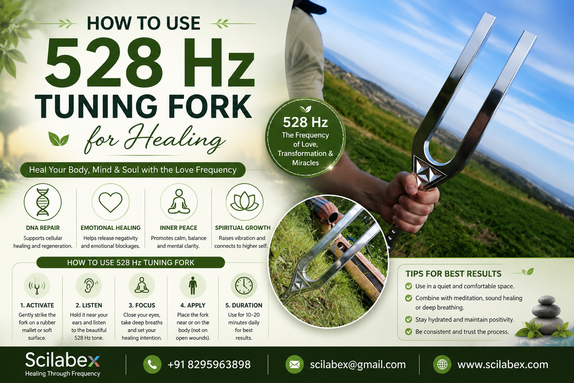
If you're picking up a 528 Hz fork for the first time, a simple way to start is:
- Choose a quiet space where you can sit undisturbed for five to ten minutes.
- Settle into a comfortable seated position and take a few slow breaths.
- Activate the fork by striking it gently against a rubber pad or the heel of your palm.
- Hold it a short distance from one ear, letting the tone fade naturally before moving to the other ear.
- If using a weighted fork, rest the base gently against your chest or upper back and notice the vibration as it settles.
- Sit quietly for another minute or two once the tone has faded completely before returning to your day.
Building this into a short daily or weekly habit tends to be more meaningful than using it only occasionally, since familiarity with the tone often makes the relaxation response feel more immediate over time.
Frequently Asked Questions
Is 528 Hz scientifically proven to heal the body? No controlled clinical research currently supports specific medical healing claims tied to this frequency. Its reputation comes primarily from sound-healing traditions and user experience rather than mainstream medical evidence, and it is best approached as a complementary relaxation practice.
Can a 528 Hz tuning fork replace other chakra frequencies? Not typically. Most full sound-therapy sequences use a range of frequencies across the seven main energy centres, with 528 Hz commonly used alongside the heart-centre portion of a session rather than as a stand-alone replacement for the full set.
How long does a session usually take? Sessions can be as short as one or two minutes for a quick personal reset or extend to twenty minutes or more as part of a guided sound-therapy appointment.
Does the fork need to touch my body to work? No. Many people use it purely for ear-side listening without any physical contact, while others prefer the added sensation of a weighted fork placed gently against the body.
A Few Final Thoughts
Sound-based relaxation practices continue to grow in popularity precisely because they are so simple to pick up and so easy to fold into an existing routine. A 528 Hz Tuning Fork Benefits offers a low-effort, screen-free way to pause, breathe, and reset — whether that's part of a structured sound-therapy session or a quiet two-minute ritual before bed. As with any wellness tool, the experience tends to be most rewarding when the instrument itself is well made, which is why choosing an accurately calibrated set, such as those produced by Scilabex, makes a genuine difference in the quality and consistency of the practice over time.
Leave a comment